Updates
- Commitment of Representatives to Enact Dalit Rights Act in All 15 Local Levels of Jhapa
- Collaboration Meeting Held Between National Dalit Commission and Human Rights Forum (HURF) Nepal
- Workshop on identifying issues of Dalit community with local Local Government Representatives completed
- Dalit community increasingly victimized by changing patterns of discrimination
- Workshop on identifying issues of Dalit community in Taplejung
- Workshop on Dalit Issues Concluded with Local Representatives
- Stakeholders Stress Change in Attitude and Behavior to End Caste Discrimination
Stakeholders Stress Change in Attitude and Behavior to End Caste Discrimination
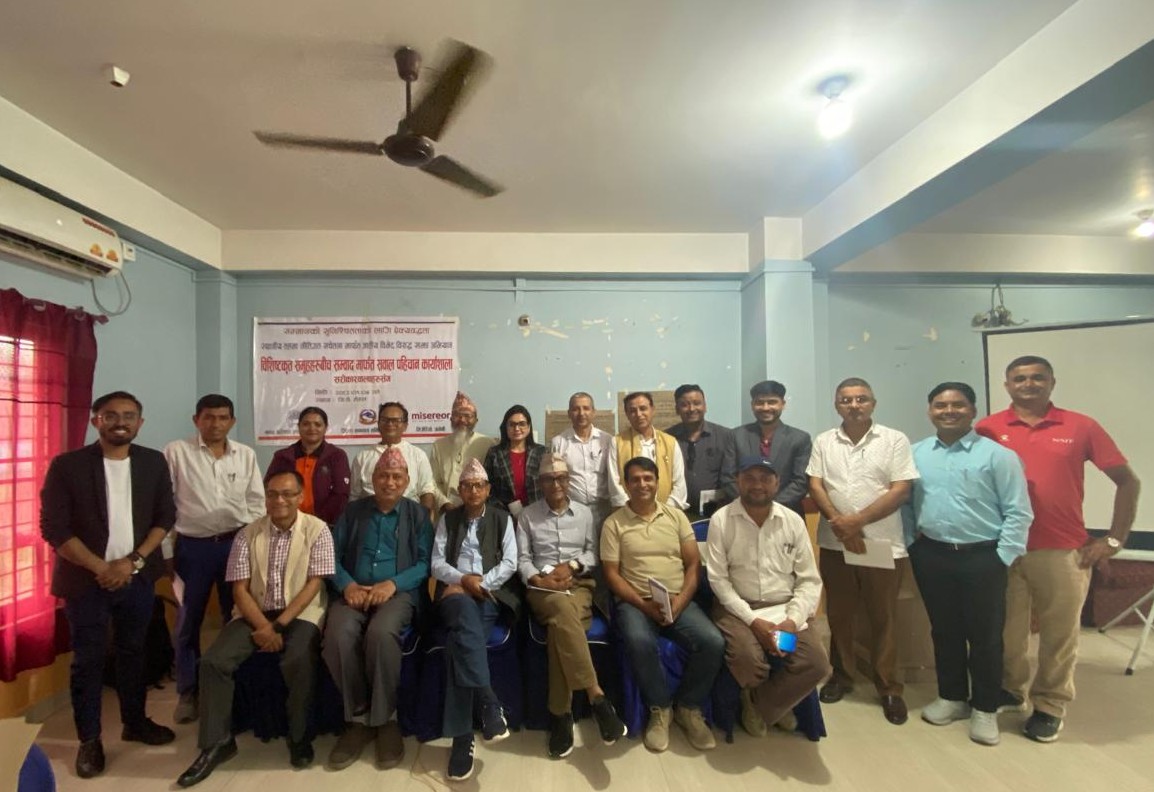
Jhapa, April 18, 2026
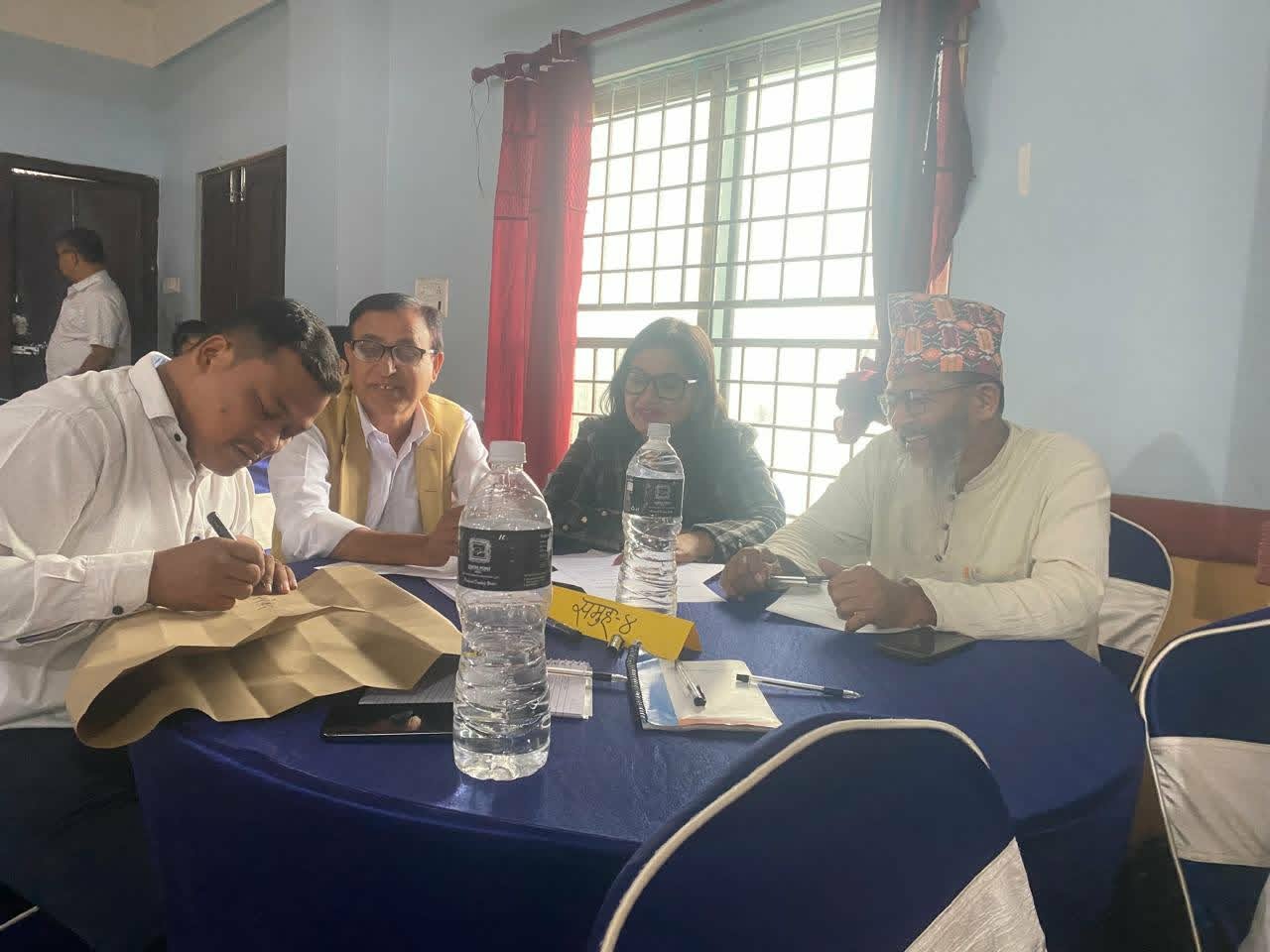
Stakeholders have emphasized that changing individual attitudes and behaviors is essential to ending the deep-rooted caste-based discrimination and untouchability in society. A workshop was held in Jhapa today to identify the major problems and challenges faced by the Dalit community and to hold intensive discussions on strategic advocacy and social justice.

During the discussion, speakers stated that caste-based discrimination is a punishable crime and called for a collective commitment to end it. They highlighted that the proactiveness of officials in government agencies is crucial for the effective implementation of the law. The workshop also emphasized that religious leaders should promote anti-discrimination messages during religious and public events to eliminate the discriminatory conditions faced by the Dalit community.
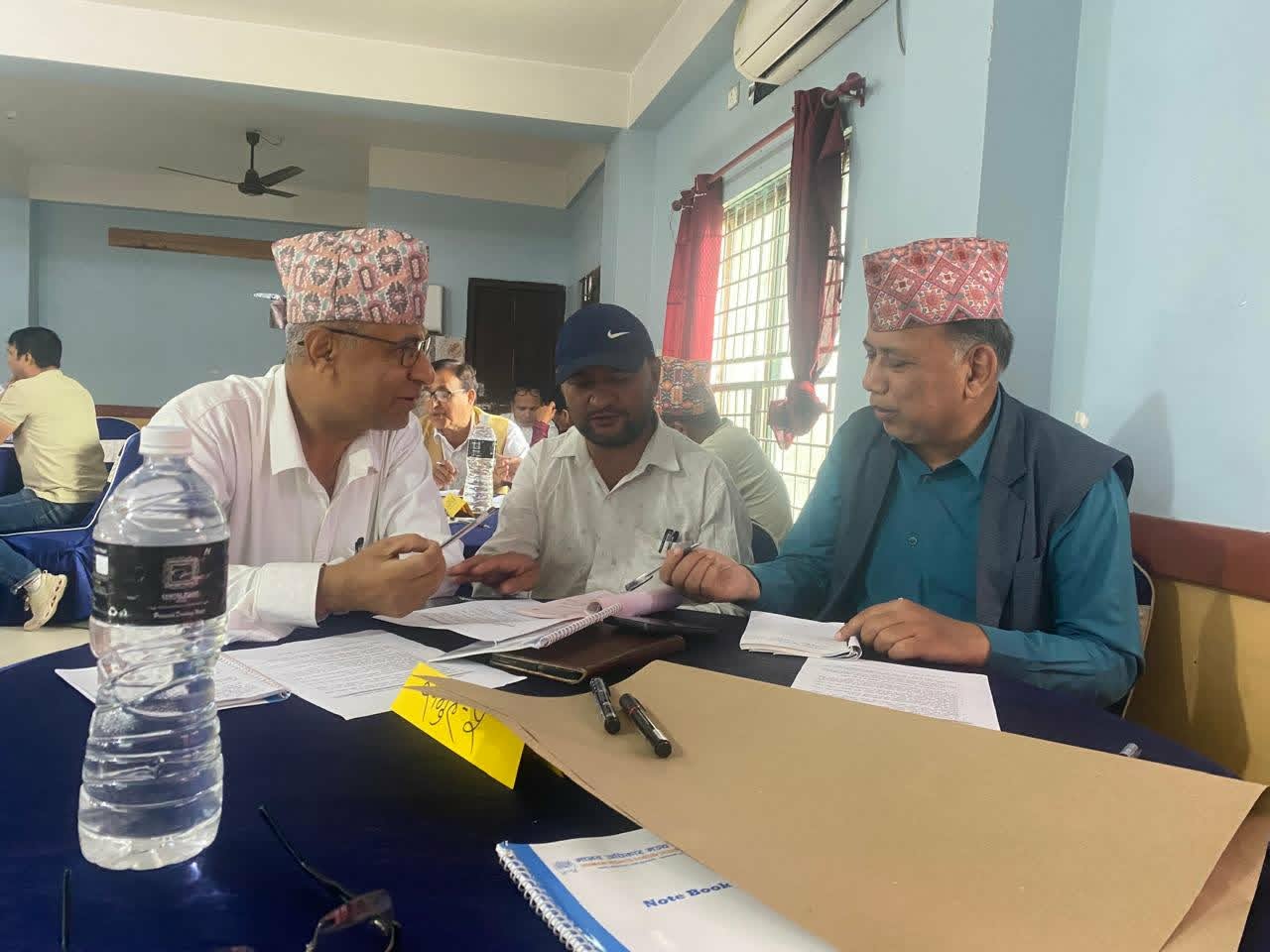
The program was chaired by Devendra Vishwakarma, Executive Director of Human Rights Forum Nepal, and attended by Vishwanath Baral, Chief of the District Coordination Committee Jhapa, as the chief guest. Leaders from various political parties, including the Rastriya Swatantra Party (RSP), CPN (UML), Nepali Congress, Shram Sanskriti Party, and RPP, were present. Additionally, representatives from the District Administration Office, District Police Office, District Government Attorney's Office, District Bar Association, and the Federation of Nepali Journalists participated in the event.
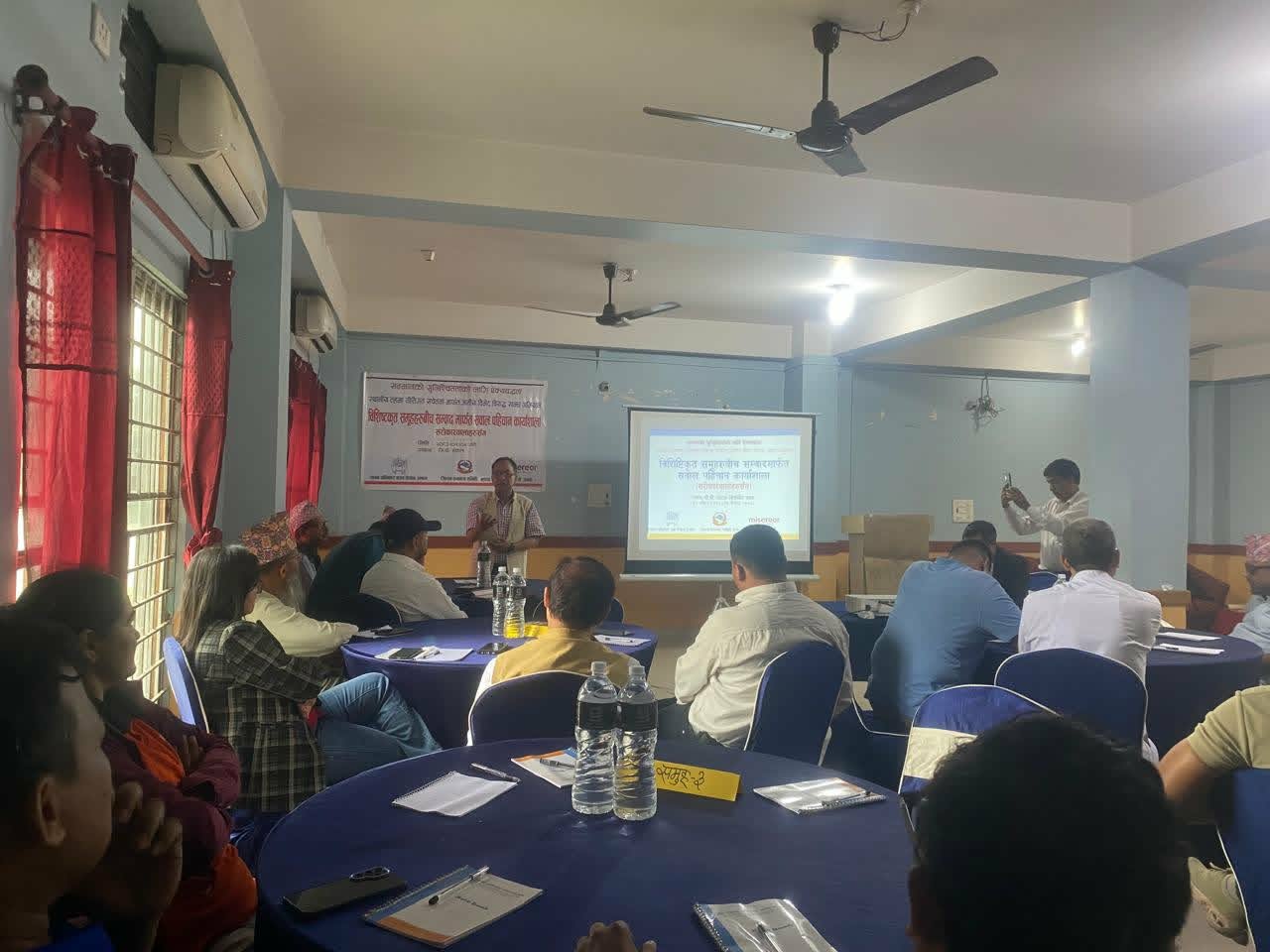
Facilitated by expert Karna Bahadur Nepali, the workshop aimed to bring all stakeholders together in the fight against caste discrimination in Jhapa. The program was organized by Human Rights Forum Nepal with support from Misereor Germany in coordination with the District Coordination Committee Jhapa. It was conducted under the project titled "Solidarity for Dignity: Collective Efforts Against Caste Based Discrimination through Policy Awareness at the Local Level."